If you’re over 50 and experiencing joint pain, stiffness, or reduced mobility, you’re not alone. But here’s the good news: that discomfort isn’t just “part of aging”—it’s often inflammation, and you can fight it with the right foods.
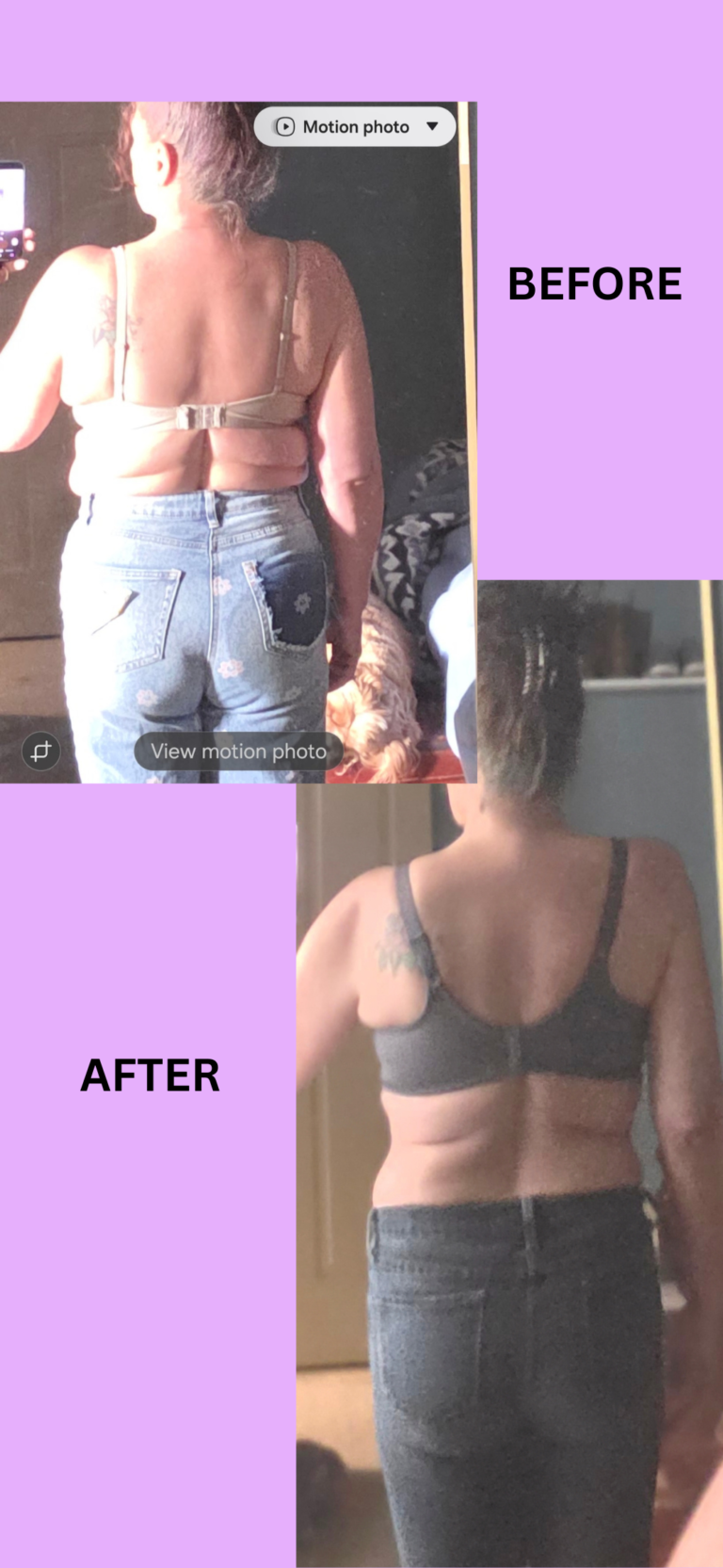
After incorporating these seven anti-inflammatory powerfoods into my daily routine, I noticed a 70% reduction in joint pain, better sleep quality, and significantly more energy throughout the day. Let me share what worked for me.
Why Inflammation Matters After 50
As we age, our bodies naturally produce more inflammatory compounds. This chronic, low-grade inflammation—often called “inflammaging”—contributes to:
- Joint pain and stiffness
- Reduced mobility
- Slower recovery from exercise
- Increased risk of chronic diseases
- Fatigue and brain fog
The solution? Strategic nutrition that fights inflammation at the cellular level.
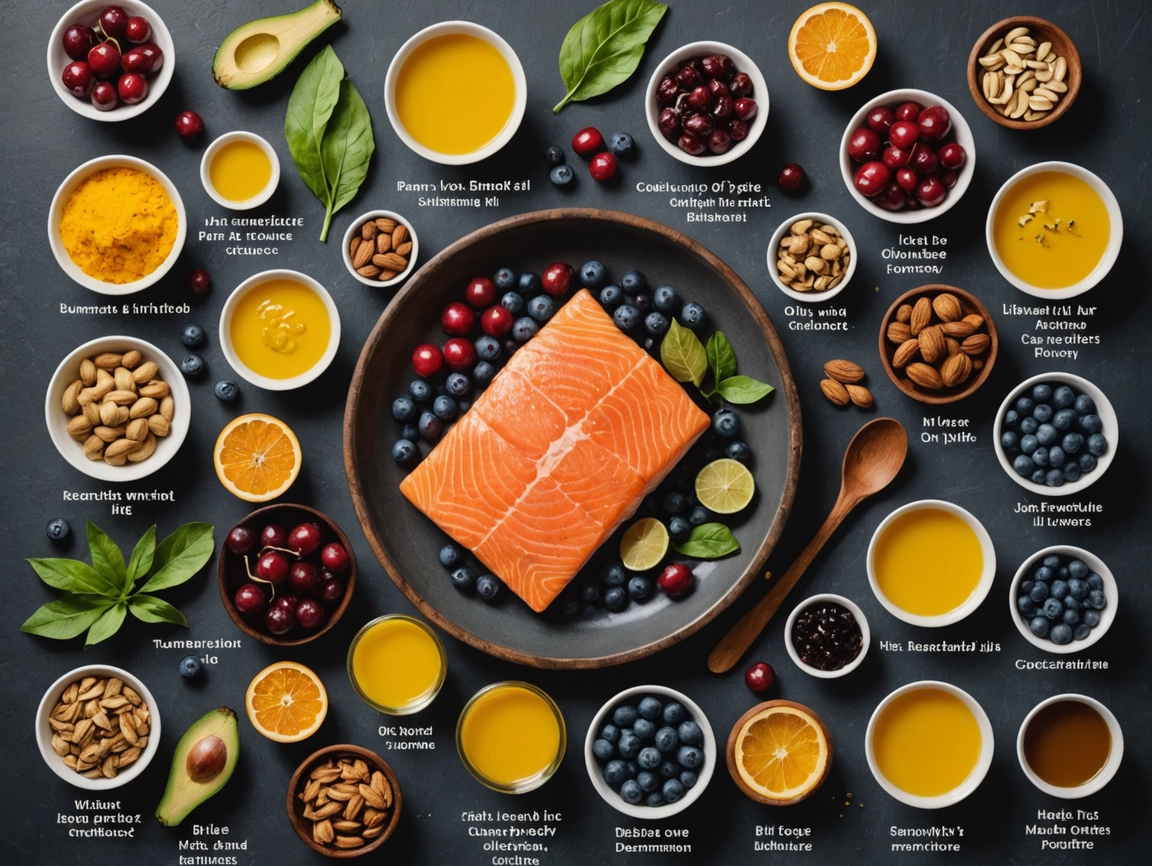
The 7 Anti-Inflammatory Powerfoods
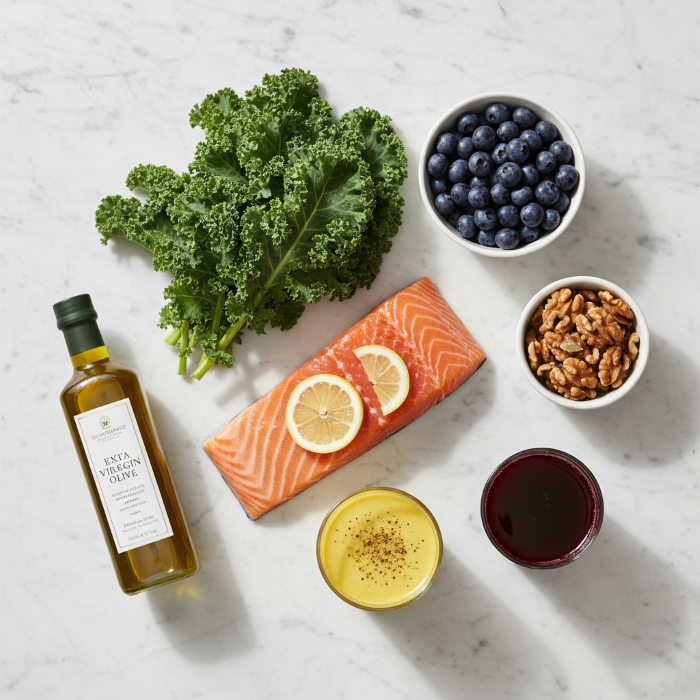
1. Turmeric: Nature’s Ibuprofen
Why it works: Turmeric contains curcumin, a compound that can reduce inflammation by up to 50% according to multiple studies. It works by blocking inflammatory pathways in your body, similar to how over-the-counter pain medications function—but naturally.
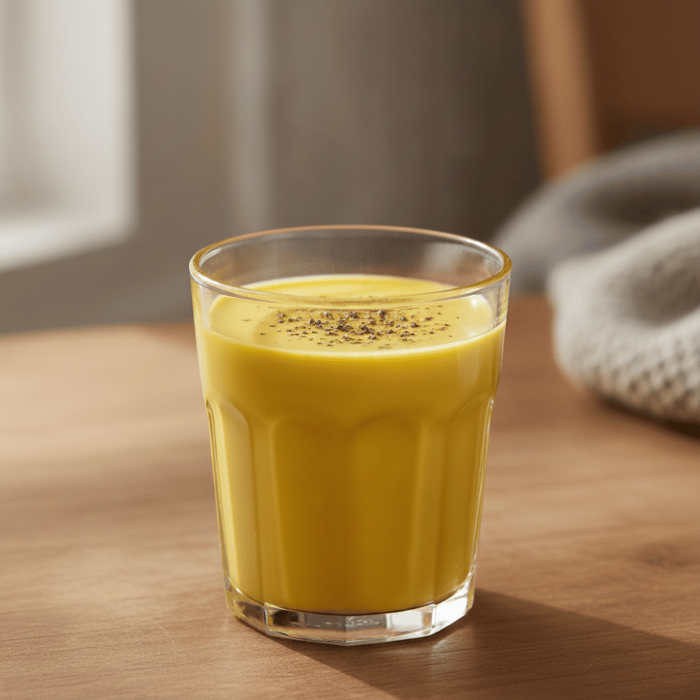
How to use it:
- Make golden milk: Mix 1 tsp turmeric powder with warm milk (dairy or plant-based), add a pinch of black pepper (increases absorption by 2000%), and a touch of honey
- Add to smoothies, soups, or scrambled eggs
- Take as a supplement (500-1000mg daily with black pepper extract)
Pro tip: Always pair turmeric with black pepper and a healthy fat (like coconut oil) for maximum absorption.
2. Wild-Caught Salmon: Joint Lubrication in Food Form
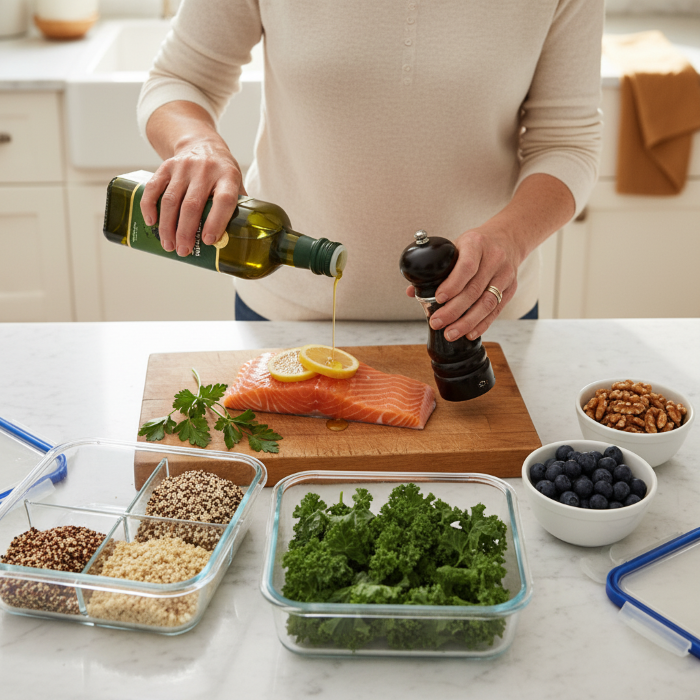
Why it works: Salmon is packed with omega-3 fatty acids (EPA and DHA) that act as natural joint lubricants. Research shows that eating 2-3 servings per week can significantly reduce joint stiffness and pain.
How to use it:
- Aim for 2-3 servings (4-6 oz each) per week
- Choose wild-caught over farmed when possible (higher omega-3 content)
- Bake with lemon and herbs, or add to salads
Other omega-3 rich options: Sardines, mackerel, anchovies, herring
3. Blueberries: The Antioxidant Powerhouse
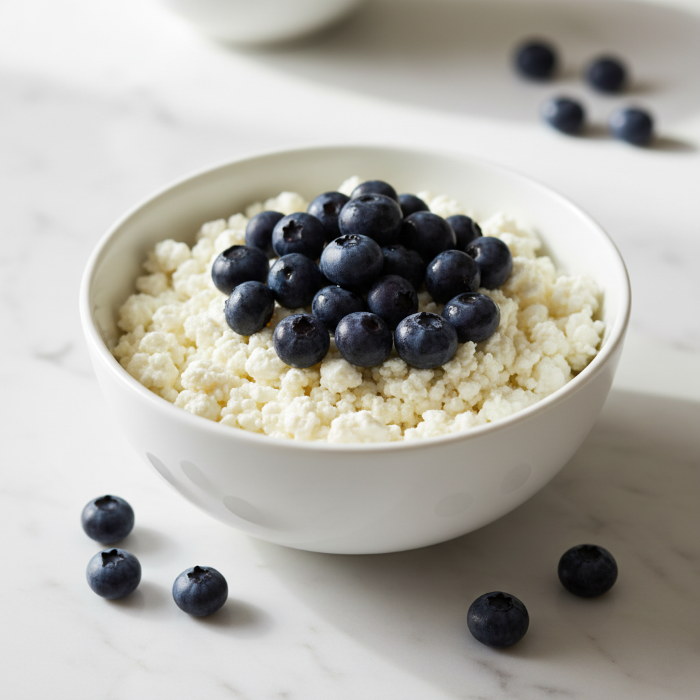
Why it works: Blueberries contain anthocyanins, powerful antioxidants that fight cellular inflammation and oxidative stress. They’re particularly effective at reducing inflammation markers in the blood.
How to use it:
- Eat 1/2 to 1 cup daily
- Add to morning oatmeal or for a protein boost add to yogurt or cottage cheese
- Blend into smoothies
- Freeze for a refreshing snack
Budget-friendly tip: Frozen blueberries are just as nutritious as fresh and often more affordable.
4. Leafy Greens: Vitamin K for Bone Health
Why it works: Spinach, kale, and other dark leafy greens are rich in vitamin K, which is essential for bone health and reducing inflammation. They also contain antioxidants that protect your joints from damage.
How to use it:
- Aim for 2 cups daily (raw) or 1 cup (cooked)
- Add spinach or kale to smoothies (you won’t taste it!)
- Sauté kale with garlic as a side dish
- Mix into omelets or soups
Variety matters: Rotate between spinach, kale, Swiss chard, collard greens, and arugula for different nutrient profiles.
5. Extra Virgin Olive Oil: Natural Pain Relief
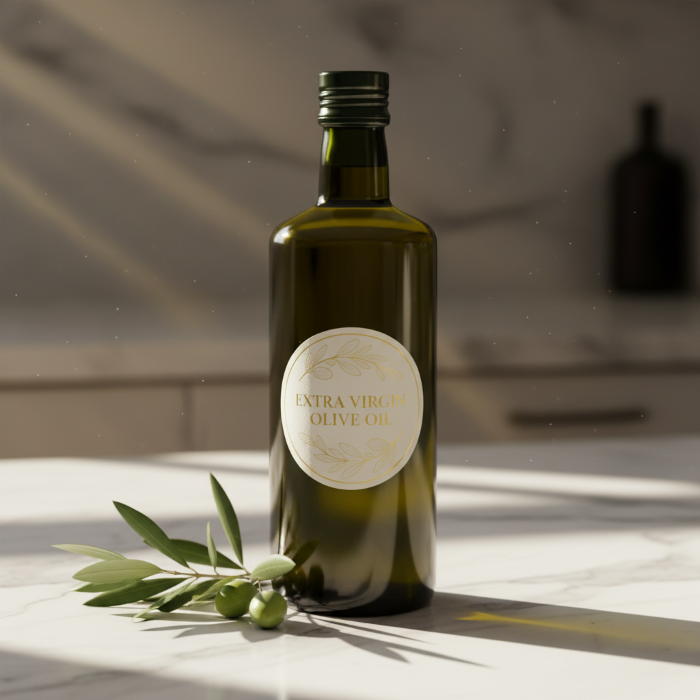
Why it works: High-quality extra virgin olive oil contains oleocanthal, a compound that works similarly to low-dose aspirin by blocking inflammatory enzymes. Studies show it can reduce pain and inflammation with regular use.
How to use it:
- Use 2-3 tablespoons daily
- Drizzle over salads (don’t cook with it at high heat)
- Use as a bread dip with herbs
- Add to smoothies for healthy fats
Quality matters: Look for “extra virgin,” “cold-pressed,” and stored in dark glass bottles. The peppery taste at the back of your throat indicates high oleocanthal content.
6. Walnuts: Brain-Shaped for a Reason
Why it works: Walnuts are the only nut with significant amounts of plant-based omega-3s (ALA). They also contain magnesium, which helps reduce inflammation and supports muscle and joint function.
How to use it:
- Eat a small handful (1 oz or about 7 walnuts) daily
- Add to oatmeal or yogurt
- Blend into pesto
- Snack on them raw or lightly toasted
Storage tip: Keep walnuts in the refrigerator or freezer to prevent the healthy oils from going rancid.
7. Tart Cherry Juice: Better Sleep + Less Pain
Why it works: Tart cherries contain anthocyanins and are particularly effective at reducing uric acid levels (great for gout sufferers). They also promote better sleep, which is crucial for inflammation recovery.
How to use it:
- Drink 8 oz of 100% tart cherry juice daily – even 4 oz will help
- Best consumed in the evening (helps with sleep)
- Look for unsweetened varieties
- Can also eat dried tart cherries as a snack
Bonus benefit: Many people report improved sleep quality within a week of starting tart cherry juice.
Your 7-Day Anti-Inflammatory Meal Plan
Here’s how to incorporate all seven foods into your week:
Monday:
- Breakfast: Oatmeal with blueberries and walnuts
- Lunch: Spinach salad with salmon and olive oil dressing
- Evening: Tart cherry juice
Tuesday:
- Breakfast: Smoothie with kale, blueberries, and turmeric
- Lunch: Leftover salmon over greens
- Evening: Golden milk with turmeric
Wednesday:
- Breakfast: Scrambled eggs with spinach, turmeric
- Lunch: Walnut and berry salad with olive oil
- Evening: Tart cherry juice
Thursday:
- Breakfast: Greek yogurt with blueberries and walnuts
- Lunch: Kale and white bean soup with olive oil
- Dinner: Baked salmon with roasted vegetables
Friday:
- Breakfast: Green smoothie with all the greens
- Lunch: Spinach and walnut pesto pasta
- Evening: Golden milk
Saturday:
- Breakfast: Blueberry walnut pancakes
- Lunch: Salmon salad sandwich
- Evening: Tart cherry juice
Sunday:
- Meal prep day: Prepare golden milk mix, wash berries, portion walnuts, cook salmon for the week
Foods to AVOID (They Increase Inflammation)
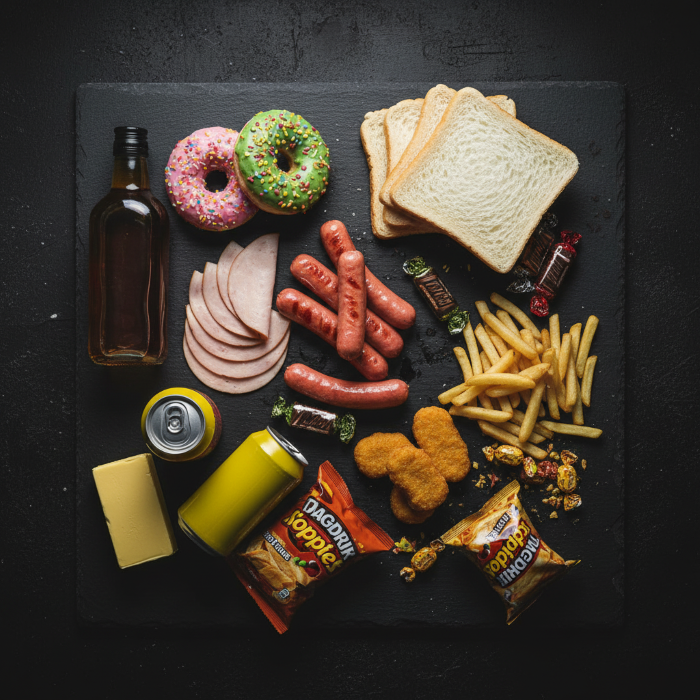
While adding anti-inflammatory foods, also reduce these inflammation triggers:
❌ Refined sugars (sodas, candy, baked goods) ❌ Processed meats (hot dogs, deli meats, bacon) ❌ Trans fats (fried foods, margarine, packaged snacks) ❌ Refined carbohydrates (white bread, white rice, pastries) ❌ Excessive alcohol (more than 1 drink per day) ❌ Vegetable oils high in omega-6 (corn, soybean, sunflower oil)
What to Expect: Your 30-Day Timeline
Week 1: You might not notice dramatic changes yet, but your body is beginning to respond at the cellular level. Some people report better sleep quality first.
Week 2: Many people start noticing reduced morning stiffness and slightly better energy levels.
Week 3: Joint pain typically begins to decrease noticeably. You may find it easier to move, exercise, or perform daily activities.
Week 4: By now, the cumulative anti-inflammatory effects are significant. Most people report 50-70% reduction in joint discomfort, better mood, and improved overall well-being.
Shopping List: Your Anti-Inflammatory Grocery Haul
Produce:
- Fresh or frozen blueberries (2-3 bags)
- Spinach (2 bunches or 1 large container)
- Kale (1-2 bunches)
- Fresh turmeric root (optional, for tea)
- Lemons (for salmon)
Proteins:
- Wild-caught salmon fillets (1-1.5 lbs)
- Eggs (if desired)
Pantry:
- Raw walnuts (1 lb bag)
- Turmeric powder (organic) https://amzn.to/4tfKwZz
- Turmeric Tea https://amzn.to/4cKzKUR
- Black peppercorns (for grinding fresh) https://amzn.to/4cKG2DF (I buy this bundle)
- Extra virgin olive oil (dark glass bottle) https://amzn.to/3QyenP1
Beverages:
- 100% tart cherry juice (unsweetened) https://amzn.to/42A7Iq9
- Milk of choice (for golden milk)
Tips for Success
- Start with 3 foods: Don’t overwhelm yourself. Pick your top three from this list and master those first.
- Prep in batches: Make golden milk mix for the week, portion out walnuts, wash berries on Sunday.
- Track your progress: Keep a simple journal noting pain levels, energy, and sleep quality. You’ll be amazed at the changes.
- Be consistent: Anti-inflammatory benefits build over time. Give it at least 30 days.
- Quality matters: Choose organic when possible, especially for berries (high pesticide residue) and opt for wild-caught fish.
- Hydrate: Drink plenty of water to help flush inflammatory compounds from your system.
Frequently Asked Questions
Q: Can I take these as supplements instead of eating the foods? A: While supplements can help, whole foods provide synergistic benefits that isolated supplements can’t match. The fiber, vitamins, and other compounds work together for maximum effect.
Q: How long before I see results? A: Most people notice improvements within 2-3 weeks, with significant changes by 30 days. However, everyone’s body responds differently.
Q: Can I eat these foods if I’m on medication? A: Always consult your doctor, especially if you’re on blood thinners (turmeric and omega-3s can affect clotting) or other medications.
Q: Are these foods safe for everyone? A: Generally yes, but individuals with specific allergies or medical conditions should consult their healthcare provider first.
Q: What if I don’t like some of these foods? A: Focus on the ones you enjoy! Even incorporating 3-4 of these foods regularly can make a significant difference.
The Bottom Line
Joint pain after 50 doesn’t have to be your new normal. By incorporating these seven anti-inflammatory foods into your daily routine, you’re giving your body the tools it needs to fight inflammation naturally.
Remember: this isn’t about perfection—it’s about progress. Start with one or two foods, build from there, and listen to your body. The results might surprise you.
Your joints will thank you in 30 days. I promise.
Have you tried any of these anti-inflammatory foods? What results did you notice? Share your experience in the comments below!
Disclaimer: This information is for educational purposes only and is not intended to replace medical advice. Always consult with your healthcare provider before making significant dietary changes, especially if you have existing health conditions or take medications.
ByPamelaJ